Call Us
When you’re wilting in the summer Texas heat you probably don’t give much thought to your home’s heating. But with winter cold snaps you may decide it’s time for an upgrade. Choosing home heating systems can be confusing. Whether you’re building a new home, renovating an older house, or adding an addition, there are a number of choices available to you. Variety is great, but how do you decide what’s the best choice for your particular circumstances? You should consider a variety of factors, like the layout of your home, your heating requirements, and the climate you live in. Let’s examine some of the most popular options so you can make a smart decision.
How to Get the Heat Where You Need It
First things first. Let’s take a quick look at the different ways of putting heat in the rooms where you need it to be.
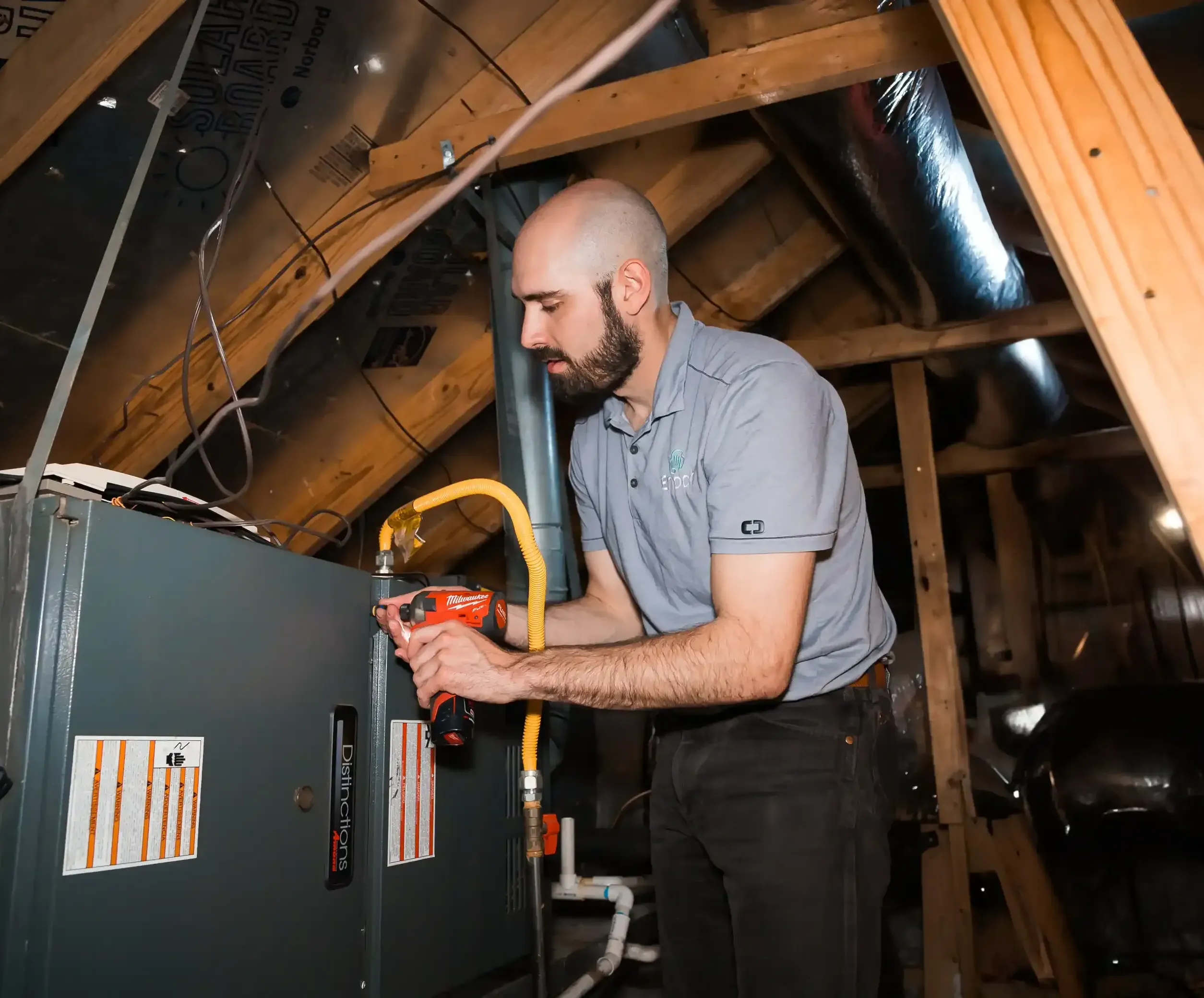
Ducted central heating systems — When we think about central heating and air conditioning, we’re thinking about ducted systems. These utilize a centrally located furnace, usually in the garage or attic, and distribute heat via a series of ducts to each room in the house. The primary benefits of this type of HVAC (heating, ventilating, and air conditioning system) are the low operating noise, high-efficiency, affordability, and long life span. And these systems can do double duty with the addition of air conditioning to keep the entire home cool during the summer months.
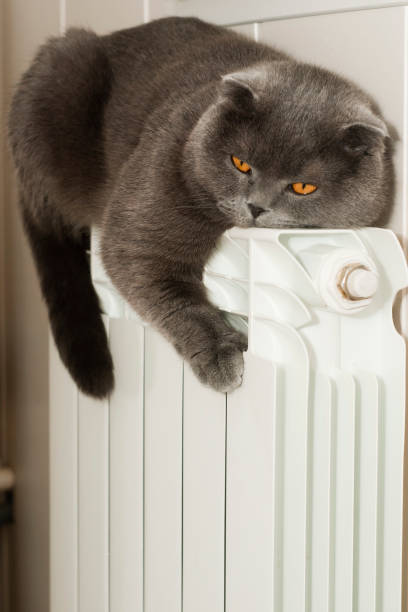
Ductless heating systems — Ductless heating systems, also known as mini-split systems, use individual heat pumps to provide heat (and air conditioning) to individual rooms. The primary disadvantage of mini-split systems is that each room will require its own unit, but if you’re adding an addition to your home, finishing an unheated basement, or setting up an apartment within your home they are an excellent alternative to upgrading an existing central HVAC system.
Direct heating systems — Direct heating systems use electricity or gas to produce heat. The most common examples are electric space heaters used as a supplement to existing heating systems. Some other examples are gas firelogs, installed in a fireplace insert, or electric baseboard heaters. While useful in some applications, they’re not a good comprehensive solution to providing heat throughout your home.
Building Your Central HVAC System Around a Furnace
The advantages of a central HVAC system in our southern climate are obvious since the system can perform double duty as a central AC system when the weather heats up. And one of the traditional ways of putting together an HVAC system is to start with a furnace as your heat source.
If you start with a furnace, air conditioning will be an important add on. If you’ve already got a central furnace system and want to add AC to it, you’ll need to be sure that these portions of your system are ready for the addition.
- Electrical panel — A qualified electrician or AC installer will need to be sure your electrical panel and wiring are ready to handle the load.
- Ductwork — An inspection will need to be made to ensure that the existing ductwork can handle the increased capacity required of the new system.
- Installation space — The additional space required for the new unit will need to be accommodated for in the home. Units are usually installed in the attic but can be placed in other locations as necessary.
Given these requirements, it’s no wonder that virtually all new construction is built around a central HVAC system that includes both heating and central air conditioning.
Furnace Fuel Options
There are several choices of fuels you can use for furnaces. Depending on your location, you may find that some fuels offer particular benefits that suit your needs. Here’s the rundown on the fuels commonly used for heating systems.
Electricity — Electricity offers the most flexibility for heating. It can be used in a variety of applications, from electric furnaces and heat pumps used in central HVAC systems, and is used exclusively for mini-split and baseboard electric heaters.
Gas — Natural gas or propane provides a reliable fuel source for furnaces in a central HVAC system. If you have gas, you’ve also got the option of using it for direct heat sources like fireplace inserts, which not only provide heat but have aesthetic appeal.
Oil — Oil isn’t a viable choice for most modern heating systems. Geographically it is best suited to northern climates with harder winters, and the extra expense and hassle of delivery are two reasons why it’s becoming less and less common as an option for household use.
The Heat Pump Option
As we’ve seen, you can add air conditioning to a central heating system, but in a region like ours, with generally mild winters and hot summers, it makes sense to combine both heating and cooling functions in one HVAC system. That’s where heat pumps really shine.
Heat pumps absorb heat from their surroundings by compressing refrigerant between two heat exchanger coils, utilizing pressure to capture and release heat. It’s a very efficient technology and one that works both ways — heat pumps can both cool your home in the summer and heat it in the winter. There are two heat pump technologies that are in common use for homes.
Air heat pumps use the air around your home for heat exchange. In the winter making the exchange for heat, while in the summer reversing the process. Air heat pumps are a tried-and-tested technology and are well suited to climates with mild winters.
Geothermal heat pumps are extremely efficient since they utilize the very consistent temperature below the ground. In fact, they can use up to 70% less energy than conventional furnaces when heating your home.
Picking the System That’s Right For You
There isn’t one best way to heat the spaces in your home. You need to choose based upon your specific requirements. As we’ve seen, in some cases it can make sense to eschew a central heating system in favor of ductless mini-split or direct heat options, in particular, if you’re adding an addition or retrofitting an existing space. But if you need to install or upgrade your entire home, you’ll be best served by installing a central HVAC system.
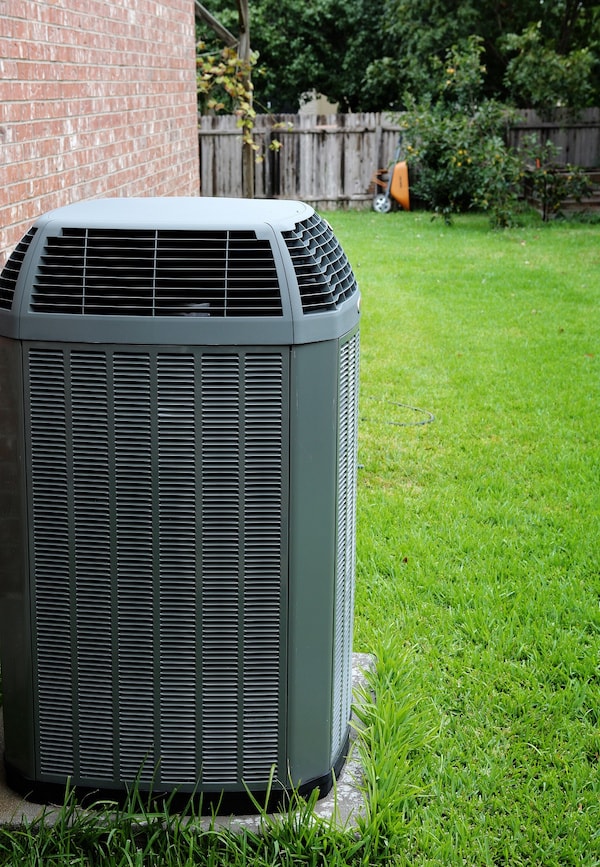
From the standpoints of efficiency and versatility, there’s a clear choice in home heating systems, and that’s an HVAC system built around a heat pump. In our climate, these systems offer two essentials — both dependable heat for generally mild winters, plus central air conditioning for the often scorching summers. And heat pumps offer outstanding value for your investment, particularly if you opt for a geothermal system.
Count on Our Expertise at Enoch
We are local Dallas / Fort Worth residents ourselves, so we understand our conditions and will make recommendations that make sense for your home. So when you’re considering upgrades in your home’s heating system, contact our team and we’ll figure out the best way to help you. Quotes are free, so get in touch with us right away.